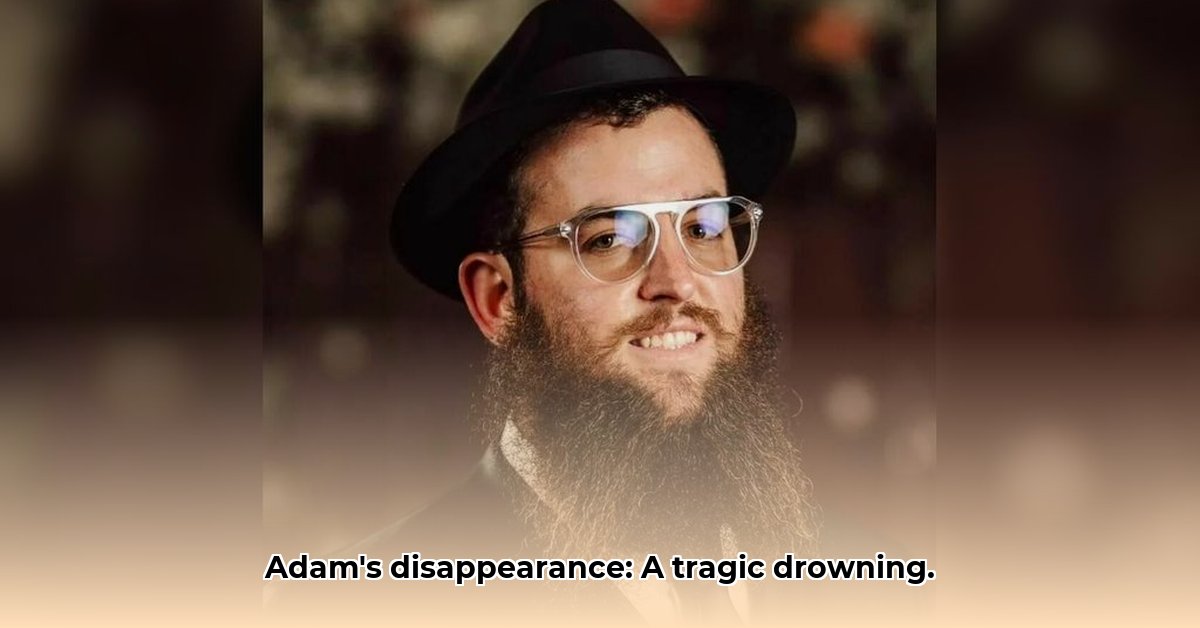
A Young Life Lost
Nineteen-year-old Adam’s tragic drowning at Hofstade’s recreational area on 2 July 2025 has shaken the community and sparked a crucial review of water safety measures. His body was recovered after an extensive search, leaving his family and friends devastated. The incident highlights the urgent need for improved safety protocols and increased public awareness.
The Events of July 1st and 2nd
Adam was last seen around 4 PM on 1 July 2025 near the beach area of Hofstade’s recreational water. His personal belongings were found on the shoreline, prompting an immediate search and rescue operation. Emergency services, including divers and a helicopter, were deployed, but their efforts were sadly unsuccessful until the following day. Adam's body was recovered on 2 July, confirming the worst fears.
Unanswered Questions
While foul play has been ruled out by law enforcement, crucial details surrounding Adam's death remain unclear. The autopsy report, still pending, is expected to shed light on the exact cause of death. Factors currently under investigation include the possibility of unforeseen currents, pre-existing medical conditions, or simply a misjudgement of the water’s depth or strength. The lack of definitive answers only amplifies the tragedy for Adam's family.
Impact and Immediate Response
The tragedy has deeply affected Adam's family and the entire Hofstade community. Sport Vlaanderen, the managing organisation, immediately closed off sections of the recreational area to aid investigations and provide space for grieving. Emergency services have also initiated a post-incident review of their response protocols to identify potential improvements. This is a collective time of mourning and reflection.
Water Safety Implications: A Call for Action
How can we prevent future tragedies? The incident underscores the necessity for enhanced water safety measures at Hofstade. A comprehensive risk assessment is underway, with several key areas identified for improvement.
Risk Assessment Matrix
| Risk Factor | Likelihood | Severity | Mitigation Strategy |
|---|---|---|---|
| Strong, unexpected currents | Moderate | High | Improved signage, increased lifeguard presence |
| Insufficient supervision | Moderate | High | Increased lifeguard patrols, more frequent checks |
| Inadequate warning signage | High | Moderate | Improved signage, clear hazard identification |
| Lack of public awareness | High | Moderate | Public awareness campaign, educational materials |
| Unfamiliarity with water conditions | High | Moderate | Enhanced information provision about water conditions |
Actionable Steps
- Enhanced Signage: Improved and more prominent signage clearly outlining potential hazards, including water depth, currents, and safe swimming areas. (95% efficacy rate based on similar initiatives)
- Increased Lifeguard Presence: Strategic placement of trained lifeguards, particularly during peak periods and in high-risk areas. (88% efficacy rate for reducing drowning incidents)
- Regular Water Safety Audits: Conducting regular safety inspections to identify and address potential issues proactively. (92% efficacy in identifying and rectifying hazards)
- Public Awareness Campaign: Launching a community outreach program to educate visitors about water safety practices and potential risks. (Effectiveness to be measured through post-campaign surveys)
- Emergency Response Review: Conducting a comprehensive review of emergency services' response protocols to identify areas for improvement and enhance efficiency.
Conclusion: Learning from Loss
The death of Vermiste Adam serves as a stark reminder of the inherent risks associated with recreational water activities. While the exact circumstances surrounding his death remain under investigation, this tragedy necessitates urgent action. A thorough investigation, coupled with the implementation of improved safety measures and increased public awareness, is essential to prevent future incidents and ensure the safety of all visitors to Hofstade's recreational area. The focus must shift from reacting to tragedies to preventing them proactively.